Learn About Jadeite.
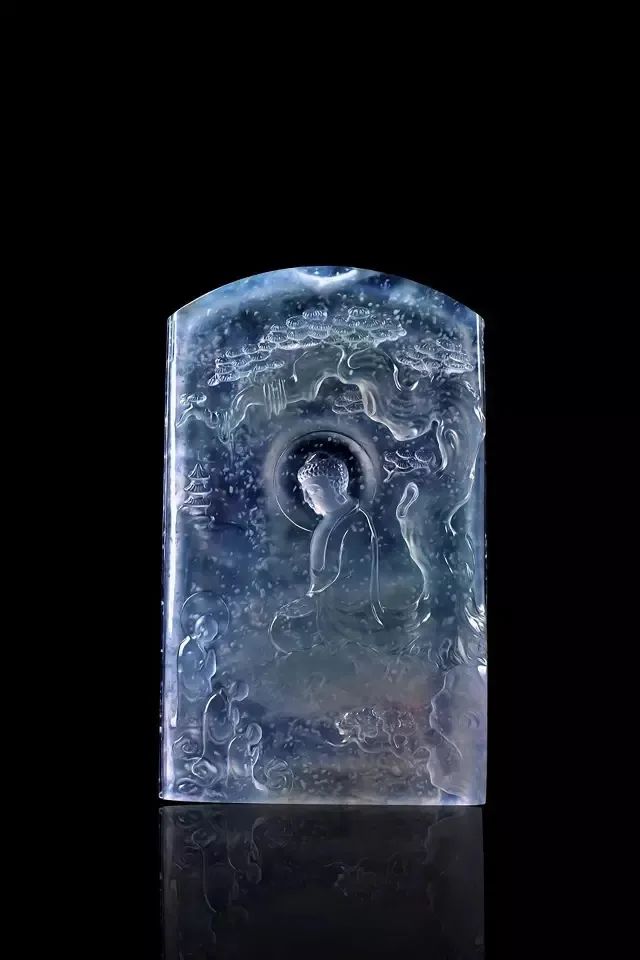
Can you buy jadeite with 'cotton' in it?
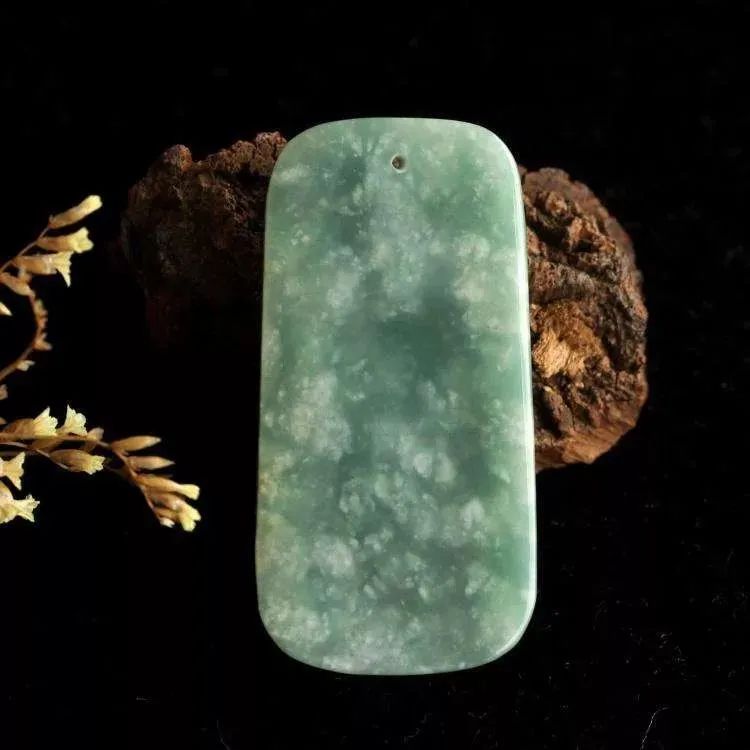
The presence of “cotton” in jade is a natural and unavoidable feature. It refers to opaque, flocculent (wool-like) formations that appear within the stone. These can take the form of cotton-like masses, white spots, or white dots.
The reason for these cotton-like inclusions lies in the jade’s internal structure. They are caused by:
Gaps between crystal particles
Natural cracks within the jade
Reflections of light from impurity inclusions
This visual effect is scientifically known as the “interparticle optical effect”.
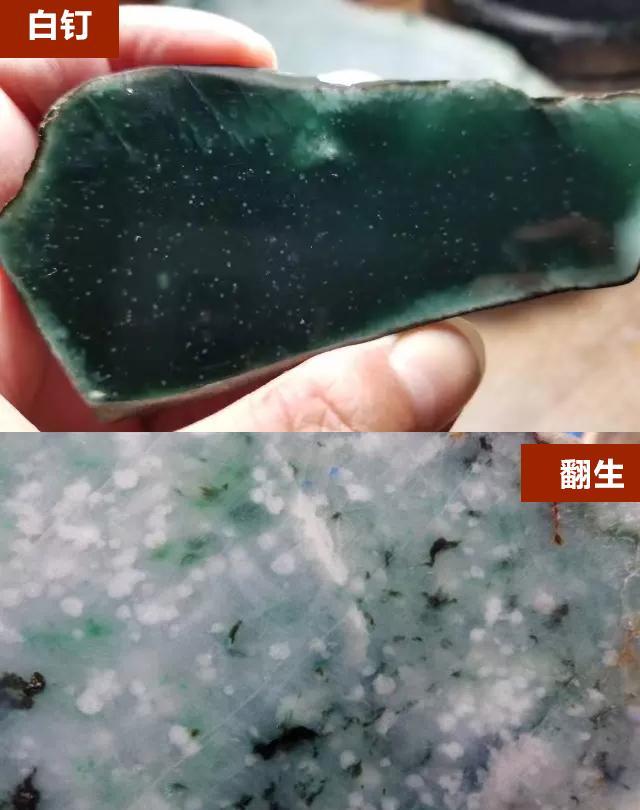
White Nails
“White nails” are small, dot-shaped cotton inclusions that resemble the mark left by a nail. They are:
Common in glassy jadeite and icy jadeite
Usually harmless to the structure of the jade
Considered a flaw if densely distributed, as they disrupt visual clarity
A larger version of the white nail is called a “Rice Heart” (also referred to as “rebirth”). This inclusion:
Looks like uncooked rice grains
Often appears in glutinous ice jade
Is more noticeable but similarly natural
Stone Brain
“Stone brain” refers to lump-like cotton inclusions that resemble animal brains. This type is:
Completely opaque, with no transparency
Significantly damaging to jadeite
Difficult to work with during processing due to its density
A major factor that can greatly reduce jade’s value
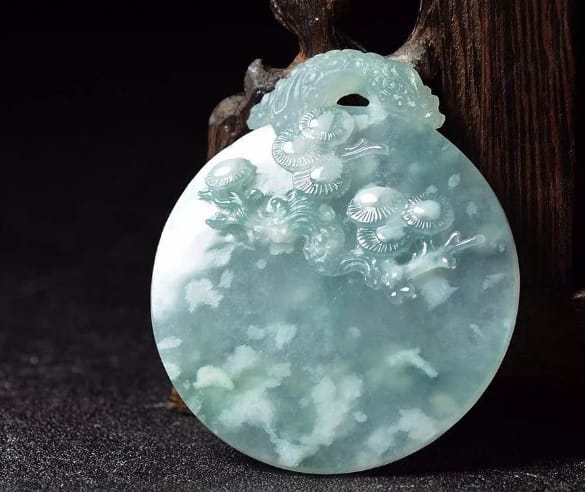
Stone Flower
“White nails” are small, dot-shaped cotton inclusions that resemble the mark left by a nail. They are:
Common in glassy jadeite and icy jadeite
Usually harmless to the structure of the jade
Considered a flaw if densely distributed, as they disrupt visual clarity
A larger version of the white nail is called a “Rice Heart” (also referred to as “rebirth”). This inclusion:
Looks like uncooked rice grains
Often appears in glutinous ice jade
Is more noticeable but similarly natural
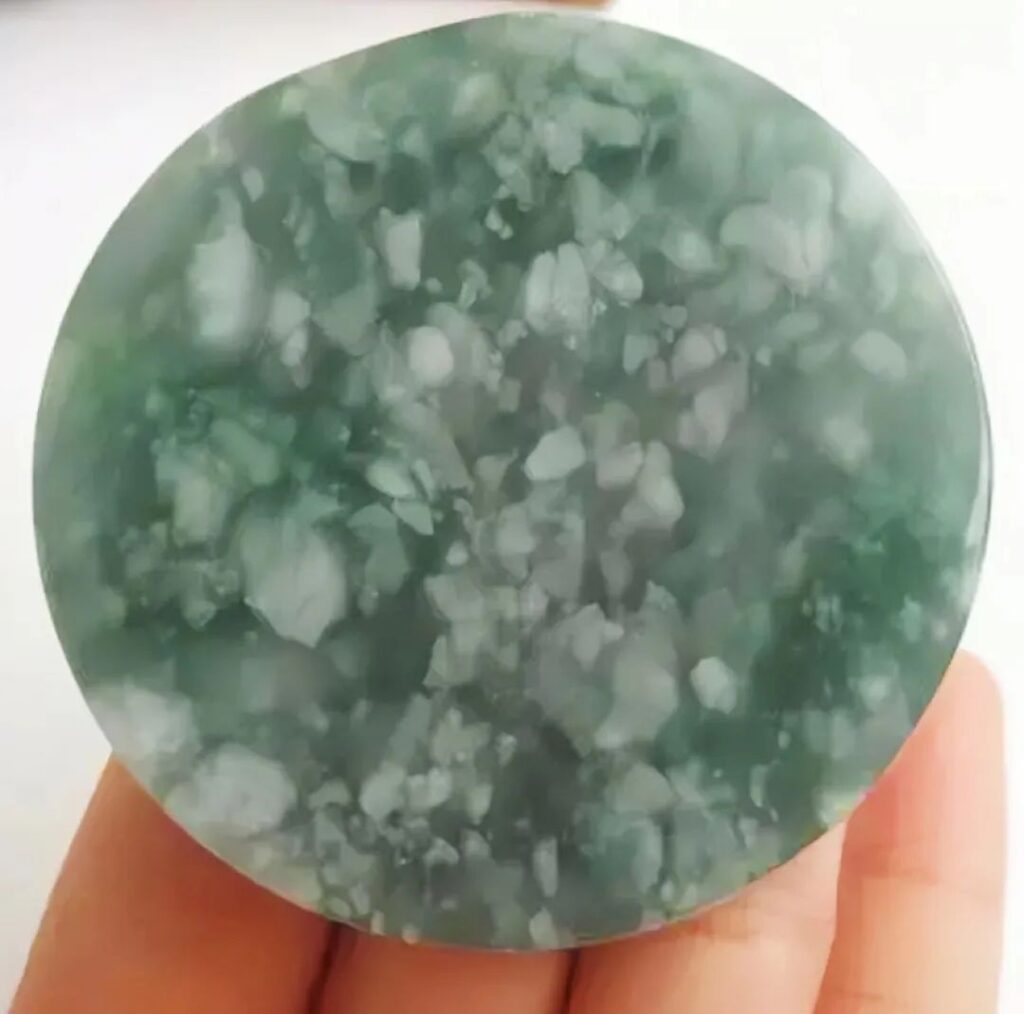
Bagasse
Bagasse forms when stone flower inclusions are densely concentrated. It resembles dried sugarcane residue and has distinct characteristics:
Clearly defined outlines
A strong, fibrous (“scum”) texture
No transparency and a dry, brittle look
Highly damaging to jadeite
Often requires removal or avoidance during processing
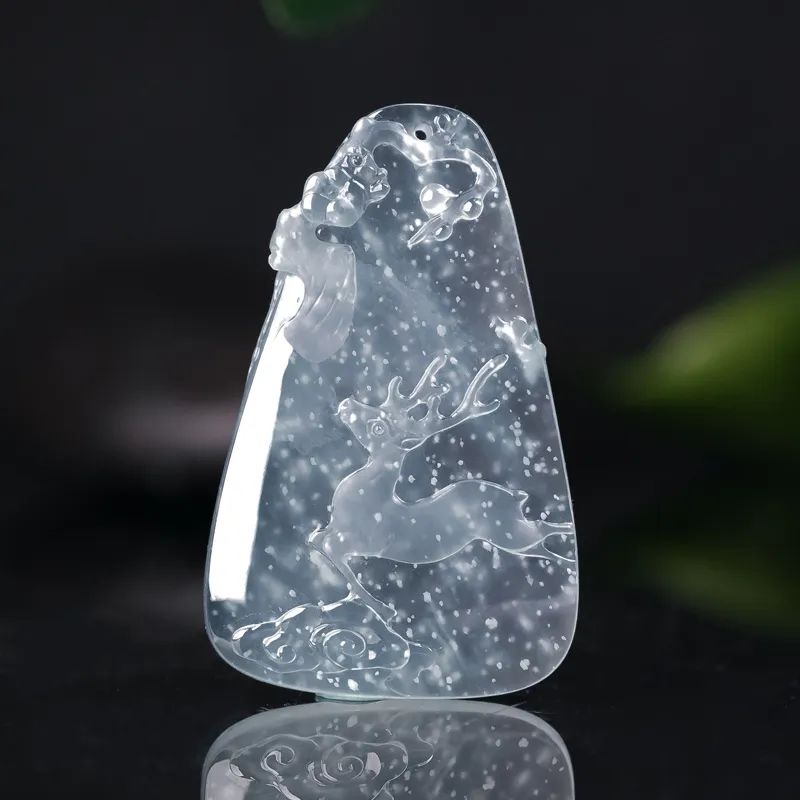
Is Jadeite with 'Cotton' Worth Buying?
Since jadeite is naturally formed, some amount of cotton inclusion is common and usually not a problem. As long as it doesn’t significantly affect the jade’s appearance or clarity, a little cotton is perfectly acceptable.
Key Points:
Small amounts of cotton are normal and don’t reduce value unless overly dense or distracting.
White, evenly distributed cotton with fine crystal particles can actually enhance the jade’s beauty.
For example, “snowflake cotton” in Muna material looks like scattered snow, adding a delicate, artistic charm.
In short, jadeite with attractive cotton patterns can still be highly desirable—and sometimes even more beautiful.
How to Choose a Jadeite Ring Face That Suits You
Jade represents the elegance and subtle luxury of the East. Though small in size, jade ring faces demand exceptional material quality, making them highly sought after by jade enthusiasts. Here’s how to choose the right one:
1. Look at the Color
Color is key to both beauty and value.
Choose jade with pure, bright, and evenly distributed color—no mixing or blotchiness.
Avoid overly dark or dull tones, which reduce value.
Uniformity is essential—uneven coloring will affect the ring’s appearance.
2. Look at the Water (“Transparency”)
High-quality jade is crystal clear and delicate.
The more transparent and fine the jade, the higher its value.
Top-grade ring faces typically use jade with good water (transparency) and a smooth, glowing surface.
3. Look at the Size
Larger ring faces are more valuable due to the higher material demand.
A small face, even with good color, may not carry high value.
Balance size with finger fit and comfort.
4. Look at the Shape
Common shapes include oval, round, saddle, and marquise (horse-eye).
Choose a shape that complements your hand and style.
Full, balanced shapes (especially perfect ovals and rounds) are generally considered the most valuable.
What makes jade's color so valuable?
A one point difference in color will result in a tenfold difference in price.

Why Colored Jadeite Is So Valuable
The well-known saying, “One point difference in color, ten times the price difference,” captures just how significantly color influences the value of jadeite, particularly when other factors like seed (texture) and water (transparency) are of comparable quality. Among all colors, green jadeite—especially rich, even shades of imperial or vivid green—is the most highly prized and commands the highest prices. In fact, even when a colorless jadeite piece (such as ice-type jade) has superior clarity and transparency, it may still be less valuable than a more opaque jade with strong, saturated green color. For example, a full green glutinous jadeite bracelet can fetch twice the price of a crystal-clear white one, simply because of its desirable color. This highlights how color is not just an aesthetic feature, but a core driver of jadeite’s market value.

The Rarity of Color in Jade
The beautiful colors seen in jadeite—especially the prized greens, reds, and purples—are not inherent to the stone itself but are the result of trace elements, primarily chromium and iron ions, entering the jade during its natural formation. These chemical elements are responsible for the vivid hues that make colored jade so desirable.
However, for these ions to penetrate the jade, they must pass through microscopic gaps in the stone’s crystal structure. This is where the age and density of the jade play a crucial role. Older jadeite has a tighter, more compact structure, meaning there are fewer gaps for these color-causing elements to enter. As a result, older jade tends to be more colorless or subtly toned. On the other hand, younger jadeite typically has a looser, more porous structure, which allows more ions to enter and create visible coloration. However, because its structure is less stable, the distribution of color tends to be less even, leading to color patches, roots, or blotches.
This delicate balance—between allowing enough elemental intrusion for color, while maintaining structure and clarity—is what makes evenly colored, high-quality jadeite so rare. It’s not just about having color; it’s about having consistent, vibrant color within a stone that also retains fine texture and good transparency. This natural rarity is a key reason why beautifully colored jade commands such high value.

Choosing Between Color and Transparency
Color in jadeite is rare and highly valuable, especially when paired with excellent water quality. For example, full green glass jadeite—combining vibrant color with top-tier transparency—is extremely scarce and can command prices in the tens of millions. Since most glass jadeite is naturally colorless, those few pieces with rich, even coloration are especially prized. When purchasing jade, it’s helpful to first decide whether you prioritize color or clarity, as this can greatly streamline your selection process.